Get CSIA/NFI-certified chimney experts in Ohio who comply with NFPA 211 and local standards to inspect, clean, repair, and upgrade your chimney system. You'll get documented draft and CO levels, safety inspections, creosote analysis, and examination of caps, crowns, flashing, and liners. Available services include HEPA sweeping, waterproofing, masonry restoration, stainless caps, top-sealing dampers, and EPA-certified inserts. Proper liner sizing and insulation boost safety and efficiency. Inquire about photo reports, permits, warranties, and insurance. Discover ways to pick the right service provider and services today.
Essential Points
- We provide CSIA-certified safety inspections following NFPA 211 and Ohio code, complete with thorough documentation of draft testing, CO measurements, required clearances, and detailed Level II reports documented with visual documentation.
- Professional chimney sweeping and creosote removal with advanced HEPA filtration; scheduled seasonal maintenance and moisture control and draft optimization to stop deposits from forming.
- Emergency response for carbon monoxide warnings, smoke detection, ventilation issues, water seepage, masonry issues, or signs of blockages.
- Repairs and waterproofing services include crown repair, cap installation, flashing maintenance, mortar repairs, and sealer application, plus wildlife exclusion using properly sized screens.
- We specialize in liner installations and efficiency improvements, including high-quality stainless liners, EPA-certified fireplace inserts, top-sealing dampers, and expertly adjusted draft control for enhanced safety and efficiency.
The Importance of Regular Chimney Inspections in Ohio
Despite light fireplace use, Ohio's seasonal weather patterns can swiftly damage your chimney's components. Periodic chimney inspections are essential to confirm structural integrity, clearances, and venting requirements per NFPA 211 and local code. A certified technician will document creosote buildup, look for moisture damage, evaluate crown and flashing, and confirm that termination devices function properly. They'll also check ventilation pathways and assess carbon monoxide risk.
Professional evaluations support periodic maintenance by detecting initial problems such as small mortar fissures, spalling masonry, and metalwork degradation before they worsen. You can decrease fire dangers, improve ventilation effectiveness, and maximize system longevity. Don't forget to add creature deterrence by confirming securely installed covers and mesh designed to keep out birds, squirrels, and raccoons from building homes without blocking ventilation.
Signs Your Fireplace or Chimney Needs Immediate Attention
Scheduled checks detect problems in their early stages, but you should monitor for signals that demand quick professional service to stay compliant with NFPA 211 and Ohio building codes. If you notice ongoing smoky smells, inadequate airflow, or creosote marks, you could have a flue blockage or dangerous creosote accumulation that raises fire risk. Set up CO alarms and treat any CO alert as urgent. Check for water stains on surfaces near the chimney, which indicate a failed crown. Pay attention to animal activity and buildup. Examine for tilting, cracked masonry, or structural damage requiring immediate assessment. Problematic or poorly burning fires indicate airflow problems. Any smoke spillage, falling embers, or dropping materials warrants a CSIA-certified inspection right away.
Best Practices for Annual Cleaning and Creosote Removal
For best results, book a CSIA-certified inspection and cleaning annually during the heating period - or schedule additional services for frequent use or detect Stage 2-3 creosote. This adheres to NFPA 211 recommendations and minimizes creosote buildup. Schedule during non-peak seasons to ensure timely service. A certified professional will evaluate chimney integrity, ventilation effectiveness, spacing standards, and pipe conditions, then thoroughly clean built-up debris and creosote using professional-grade cleaning equipment and HEPA vacuum technology.
You can contribute between visits by maintaining these practices: use only seasoned hardwood (under 20% moisture), ensure proper air flow to avoid smoldering, and keep flue temperatures steady. Install a thermometer on the appliance and make sure smoke path components are properly sealed. After consuming each cord, inspect for 1/8 inch deposits; when reaching 1/4 inch, discontinue use until properly cleaned.
Expert Services: Masonry Work, Crown & Cap Repairs, Waterproofing Solutions
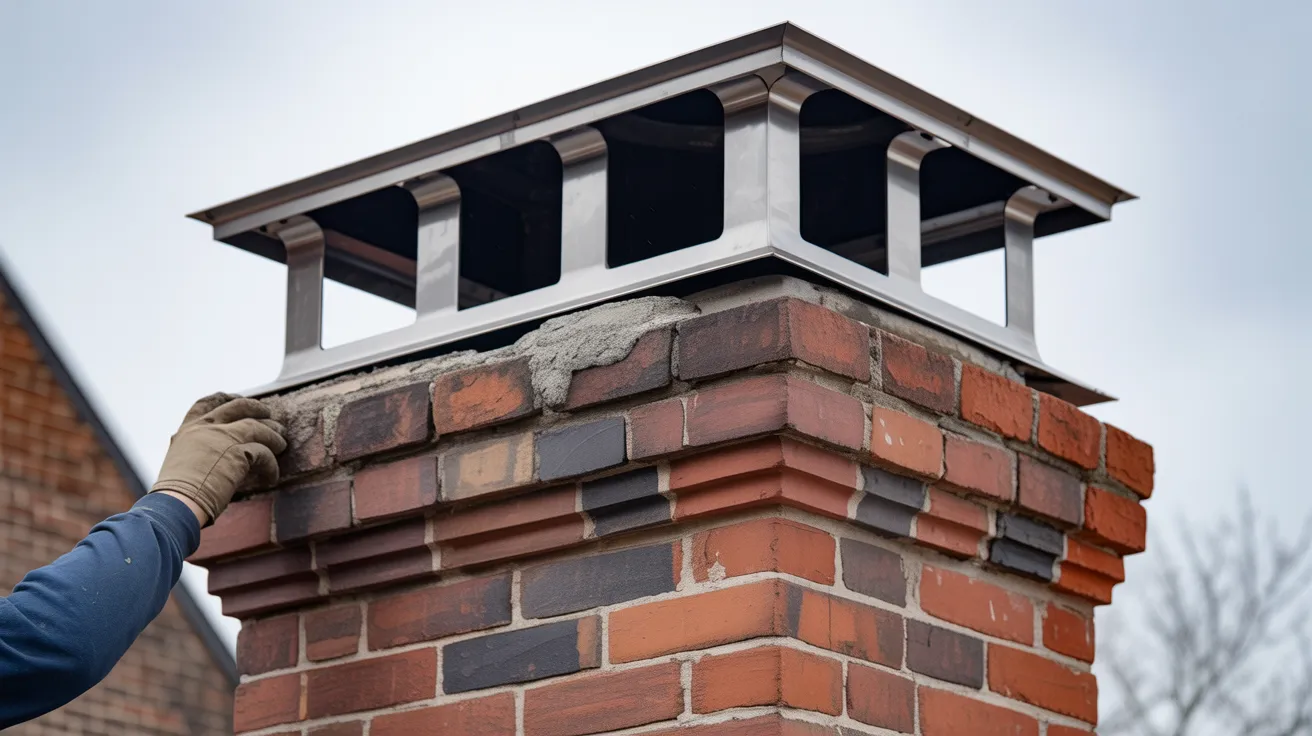
Following creosote maintenance, it's essential to maintain the chimney's construction and weatherproofing. Weather cycles in Ohio frequently harm the joints and brick structure, so arrange joint restoration using ASTM-certified masonry materials and appropriate finishing methods for existing joints. Repair damaged crowns using a reinforced, fiber-reinforced cement blend, appropriately pitched and featuring an protruding drainage edge for water protection. Fit or update stainless-steel caps with rust-resistant hardware and appropriate spark arrestors designed to the flue termination.
Make flashing repair at roof intersections a top priority, properly installing step and counter-flashing within mortar joints. Ensure proper lap sealing and maintain safe distances from combustibles as specified in NFPA 211 requirements. read more Treat exterior masonry with vapor-permeable waterproofing and don't use film-forming sealers that prevent moisture escape. Document thoroughly all repairs, cure times, and warranties, and implement regular seasonal inspections to monitor effectiveness.
Chimney Liners: Types, Benefits, and Installation
You will select the appropriate liner - consisting of stainless steel, aluminum, clay tile, or cast-in-place - depends on fuel type, flue size, and Ohio mechanical/fire code requirements. The correct liner optimizes draft, maximizes appliance efficiency, and protects masonry from heat and corrosive condensates to ensure UL-listed clearances and NFPA 211 compliance. When installing, a certified technician measures and selects the liner, places insulation as required, aligns and anchors the system, fastens joints and termination, and conducts a draft/smoke test to confirm proper function.
Material Options for Liners
The process of selecting an appropriate chimney liner material starts by aligning it with the specific appliance, fuel source, and local regulations. Stainless steel solutions are robust and come UL-listed for gas, oil, and wood applications. You may select rigid stainless for straight chimneys or flexible stainless for curves; opt for 316 grade for oil/wood applications and 304 for gas when acceptable. Install required insulation to preserve safe clearances and correct exhaust temperatures.
Ceramic options feature both clay tile and cast-in-place solutions. Clay provides a cost-effective option for new masonry work but needs proper dimensioning and well-maintained joints. Cast-in-place systems reinforce aging chimneys and create a continuous, high-temperature-rated flue.
Take into account corrosion class, thermal shock resistance, and diameter specifications as per NFPA 211 and manufacturer specifications. Make sure to check connection compatibility, terminal fittings, and compliance with Ohio regulations prior to installation.
Protection and Productivity
While liner selection begins with sizing and materials, performance and safety rely on how effectively the liner handles combustion products, heat, and draft according to building codes. There must be a correctly dimensioned, continuous flue channel to ensure stable airflow, optimize fireplace ventilation, and stop flue gases from cooling that leads to condensed creosote or acids. Adequate insulation preserves flue temperature, improving combustion efficiency and decreasing combustion risks. Corrosion-resistant liners contain moisture and carbon monoxide, safeguarding both masonry and surrounding flammable components.
Match the liner diameter based on the appliance outlet as specified by NFPA 211 and manufacturer listings; oversizing reduces draft, insufficient diameter raises stack temperature and spillage. Check proper clearances and sealed joints. Place carbon monoxide detectors at every level and adjacent to sleeping areas. Schedule annual Level II assessments and log performance measurements: CO levels, draft measurements, and temperature readings.
Installation Guide Overview
Installation centers on establishing a seamless, code-compliant flue system that matches the venting plan and equipment specifications. First, we verify the appliance BTU rating, fuel type, and chimney height to accurately dimension the liner as specified by NFPA 211 and manufacturer guidelines. We secure local permit documentation, record existing conditions, and arrange necessary inspections.
Following this, we make preparations for the flue, eliminate blockages, and put in the specified liner (cast-in-place), utilizing insulated components in areas where clearance-to-combustibles necessitates. We complete with a certified cap, attach top plate, and sealed thimble or appliance connector. We perform smoke testing for verification.
The majority of installations finish in a single day; though complicated offsets, masonry work, or weather delays can stretch the timeline to two to three days. You'll get the final inspection sign-off and complete documentation.
Performance Improvements: Dampers, Inserts, and Draft Prevention
Improve efficiency and decrease emissions by installing an EPA-certified fireplace insert that's appropriately matched and connected to your flue. Incorporate a weathertight, upper damper to reduce standby heat loss, prevent moisture and pests, and meet local mechanical and fire code requirements. To complete the upgrade, improve draft control with precision sealing, flue shelf and throat refinements, and pressure-balancing solutions to prevent backdrafts and maintain safe combustion.
Advanced Fireplace Inserts
Improve warmth generation and decrease fuel waste by fitting a high-efficiency fireplace insert designed to satisfy modern safety codes and emissions guidelines. You'll upgrade an open masonry fireplace into a closed combustion system with a qualified liner, heat-resistant surround, and tight door gaskets that enhance efficiency and reduce particulate emissions.
Choose a wood, pellet, or gas insert sized correctly to match the room's heat load to achieve optimal zone heating. We ensure clearances to combustibles, hearth protection, and correct venting according to NFPA 211 and Ohio Residential Code. Optimized airflow is critical: we match the insert with a listed stainless liner, establish proper flue height, and optimize combustion air to prevent backdrafts.
Enjoy precise combustion, increased duration, and consistent thermostatic control-plus improved operation, easier maintenance, and decreased fuel costs.
Advantages of Top-Sealing Dampers
A top-sealing damper, often overlooked, provides essential protection by securing the chimney crown. This crucial element eliminates conditioned air loss, blocks annoying downdrafts, and prevents water damage and pest entry. Through its superior sealing mechanism, it effectively minimizes the chilly air mass in the flue, boosting energy conservation and decreasing stack-effect heat loss during Ohio's cold season. Furthermore, you'll safeguard your flue from rain and snow damage, preventing ice damage and corrosion.
Installed using stainless hardware and a high-temperature gasket, working via a firebox-mounted cable. It's required to open it completely before lighting any fire to ensure proper combustion and safe venting in accordance with NFPA 211. Our specialists fit and attach the frame to match your flue tile, check lid travel and seal compression, and ensure smoke-tight closure for code-compliant performance.
Draft Prevention and Sealing Solutions
Fine-tuning draft control commences with securing the complete setup end-to-end-firebox, throat, smoke chamber, flue, and cap-so combustion air and exhaust operate as planned without heat loss. You'll decrease unwanted airflow that reduces flue temperature, weakens draft, and risks smoke reversal. We implement code-compliant refractory repairs, smoothly coat smoke chambers, restore clay joint integrity, and fasten metal liners with certified parts. Then we tune airflow balancing: size the flue correctly, confirm adequate makeup air, and calibrate dampers for consistent draft. Installations include precise-fitting frames and insulated liners to avoid air infiltration. We confirm clearances to combustibles, proper chimney elevation, and CO safety measures. Finally, we verify pressure levels, check draft with a manometer, and record all specifications for your files.
Finding an Expert Chimney Specialist in Ohio
Prior to employing someone to evaluate, clean, or fix your chimney in Ohio, be certain to confirm they possess current, recognized credentials and comply with state and local code requirements. Verify CSIA or NFI certification and evidence of ongoing education. Request written specifications, photo documentation, and code references for all Certified inspections. Verify they adhere to NFPA 211, IRC/IMC, and manufacturer listings for installations, spacing, and endpoints.
Verify licensing checks via the Ohio Construction Industry Licensing Board where necessary, and verify the contractor carries Ohio-accepted insurance coverage for liability and workers' compensation. Ask for recent local permits and inspection approvals. Check their BBB standing, verified expertise in gas appliances, and carbon monoxide testing equipment. Request comprehensive estimates, warranty information, and a detailed remediation strategy for Level 2 findings following appliance replacement or chimney relining.
Common Questions
How Much Do Chimney and Fireplace Services Cost in Ohio?
The typical cost ranges from $100-$250 for a Level 1 sweep, $200-$400 for inspections, and $300-$1,200 for basic masonry and crown work. Full relining costs $1,500-$4,000; tuckpointing services range from $8-$20 per linear foot. New installations and rebuilds depend on local codes and material choices. After-hours emergency services add $100-$300 added after-hours. Request written, code-compliant scope including NFPA 211 standards and proof of insurance. Ensure Level 2/3 inspection completion when transferring property or after fire-related incidents.
What Seasonal Discounts and Maintenance Plans Do You Offer?
Absolutely - many services feature seasonal promotions and maintenance subscriptions. With peak season usage rising up to 30%, you'll get better rates by booking off-peak. Watch for special NFPA 211-compliant Level 1 inspections bundled with sweep services, priority scheduling, and multi-flue pricing. Regular maintenance packages often include leak testing, cap/damper inspections, and CO/combustion safety verification. Check written scope, code compliance, and CSIA certification, and confirm exclusions (masonry repairs, liners) before enrolling to preserve safety and warranty validity.
How Long Does a Standard Chimney Service Appointment Take?
Plan on an hour to hour and a half session. This duration includes initial setup, site access, and standard NFPA 211 inspection protocols. You'll receive a comprehensive visual Level I assessment, including draft and clearance checks, and a professional inspection checklist confirming your flue system, cap, crown, firebox, and smoke chamber components. Should sweeping be needed, plan for an additional 30-60 minutes with HEPA-controlled equipment. Camera inspections (Level II) or masonry work will extend the duration. Make sure your pets are contained and the firebox hasn't been used for 12 hours prior.
Are Chimney Permits and Inspections Required in Ohio Municipalities?
Absolutely - numerous Ohio cities mandate chimney permits and inspections. Picture sparks meeting dry leaves: these scenarios drive safety codes and building regulations. You'll generally require a permit for installing fireplaces, relining chimneys, modifying flues, or changing heights, with both preliminary and final inspections. Check local modifications to the state building code, zoning regulations, and safety guidelines. Reach out to your building authority, submit your plans, and book inspections to verify code adherence, maintain insurance validity, and ensure safe usage.
Can Wood, Gas, and Pellet Systems Be Serviced in a Single Visit
Yes, but it's contingent on meeting each unit's specific requirements. You're dealing with different fuel types and venting differences, so one inspection can cover all appliances, but service tasks vary. Professionals check proper spacing, fittings, and terminations; assess draft, combustion air, and CO; and clean flues appropriate to wood, gas, and pellet systems. They'll follow NFPA 211 and manufacturer specs, document defects, and suggest when extra cleaning, components, or specialized testing is necessary.
In Summary
Many believe the idea that Ohio's less severe winters mean chimneys don't need strict upkeep. Put this to the test: examine your flue after a single winter. You'll probably find creosote buildup, mortar damaged by frost, or a deteriorated cap-all NFPA 211 hazards. When you arrange Level I-II inspections, regulation-following cleanings, and UL-listed liners or dampers, you decrease masonry problems, carbon monoxide dangers, and draft concerns. Opt for a CSIA- or NFI-certified expert, verify permits, and insist on written scope and photos. Protection and performance know no season. They're systemic.